Home Engines Investors Team About Inquire / Order Contact
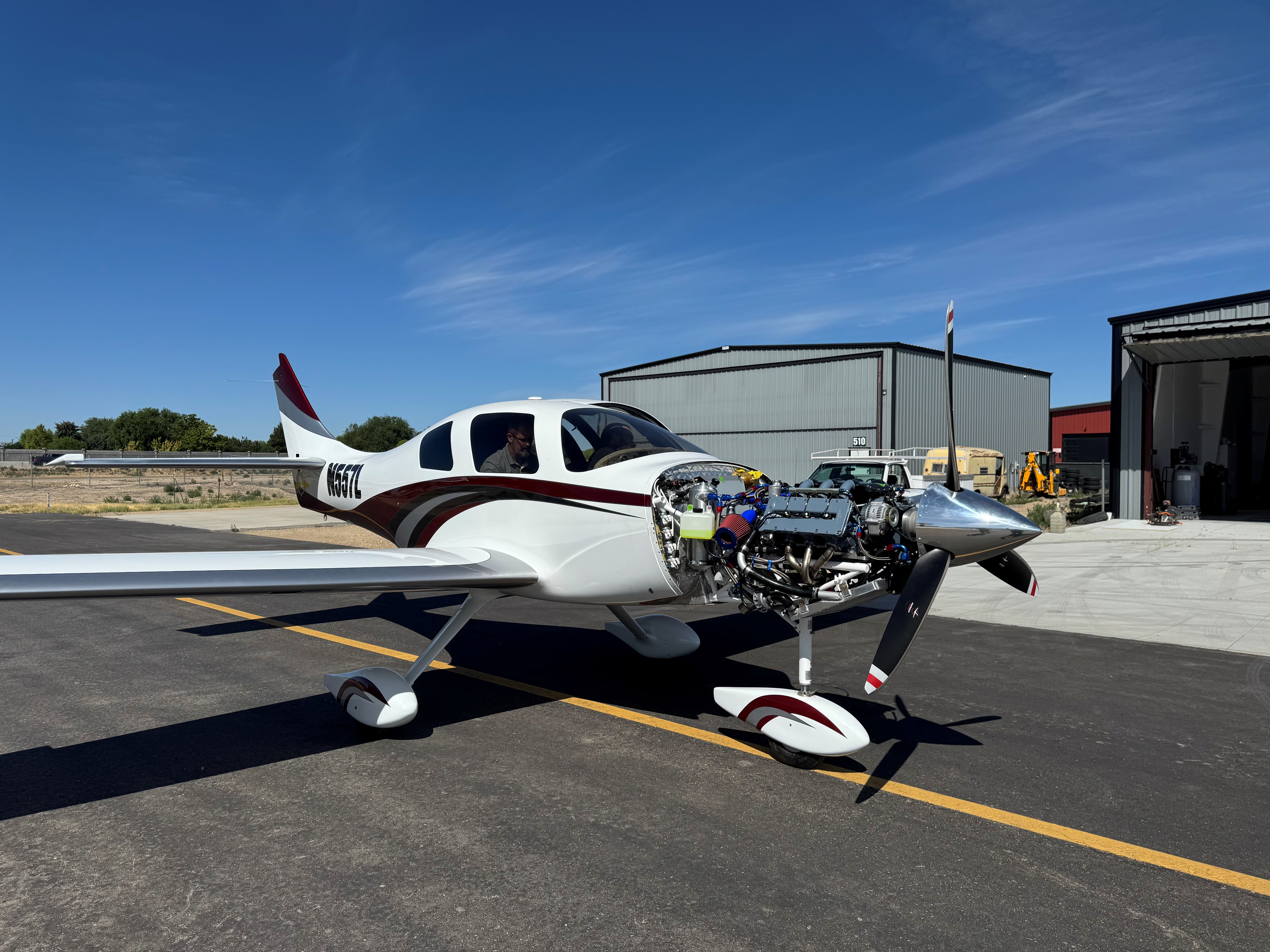
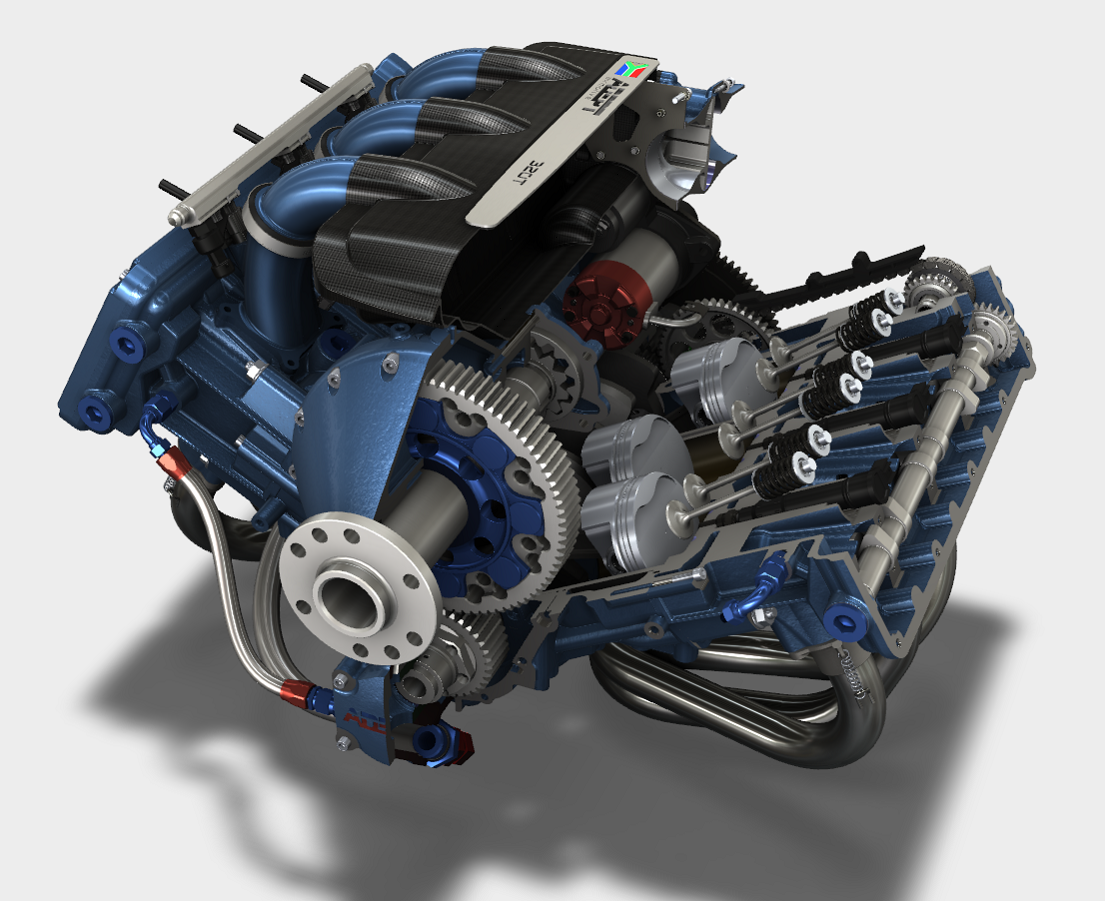
Adept 320T engine with propeller
Est. 2020 · Texas Corporation · 20+ Years Engine R&D Heritage

The EngineRevolution

Next-generation liquid-cooled aviation engines that are up to 30% lighter, 20% plus more fuel efficient, and projected up to 35% greater TBO interval compared to some legacy aircraft engines.

40%
Weight Reduction
20%
Fuel Savings
75%
Longer Service Life
600hp
Max Power Output
20+
Years of R&D

Engineered for the
Next Century of Flight

While Continental and Lycoming have iterated on WWII-era air-cooled technology for 70 years, Adept has built something fundamentally new — drawing on proven technology adapted for the demands of aviation.

🌡️
Liquid Cooling
Precise thermal management eliminates hot spots, allows for tighter tolerances and as a result extends component life.
Bosch Electronic Ignition
Precision ECU and electronic ignition replace magnetos, delivering optimal timing across all operating conditions, fuels and altitudes.
Multi-Fuel Capability
Run on AvGas, MoGas, or ethanol/methanol blends — critical flexibility as EPA pressure accelerates the phase-out of leaded aviation fuels. Unleaded automotive fuel is the most prevalent fuel on the planet.
🔧
Extended TBO
Time Between Overhaul of 2,500–3,000 hours vs. 1,600–2,200 hours for legacy engines. Less downtime, lower lifecycle cost.
🏋️
Aerospace Alloys
Proprietary materials and coatings reduce weight by up to 30% without sacrificing structural integrity or reliability.
🚀
250–450 HP Range
A complete power band covering experimental builders through commercial OEM applications — a power dense engine platform that provides the power needed at takeoff or in the flight levels.

Outperforms on
Every Metric

This isn't incremental improvement. It's a generational leap — the same disruption Tesla brought to the automobile, applied to the engine that powers general aviation.

Metric Adept Legacy
Weight 320–450 lbs −40% 450–700 lbs
Fuel Efficiency 39–41 lb/(hp·h) +20% 45–50 lb/(hp·h)
Cockpit Noise 72 dBa 101 dBa
Service Life 2,500–3,000 hrs +75% 1,600–2,200 hrs
Fuel Options AvGas · MoGas · Ethanol AvGas only
Max Power 450 HP (in development) 400 HP

Four Channels,
One Vision

01
Experimental Aircraft
No FAA certification required. Already gaining traction with Lancair, Velocity, Comp Air, Helio Courier and Vans RV builders. Immediate revenue, immediate validation.
02
Department of Defense
Lightweight, high-power engines are ideal for UAS/drone applications. Government contracts provide stability and open military aviation doors.
03
OEM Integration
Targeting Cessna, Piper, Cirrus, and Diamond to name a few. Each partnership drives hundreds of engines annually with predictable pipeline revenue.
04
Legacy Retrofit Market
200,000+ aircraft in North America seeking modern powerplants. STC partnerships enable rapid penetration of the highest-margin segment.

$2.5M · $12.5M Valuation

Ground-floor opportunity in a massive market disruption. Series A shares priced at $2.50 per share.

Precision-Engineered
Aviation Power

Adept has recognized the need for modern, fuel-efficient engines to power both existing and new light aircraft. Our engines feature a novel and unique architecture in General Aviation — the 120° V6 layout offers a lightweight, compact engine with high mechanical strength and integrity, excellent balance, uniform cooling, and optimal integration with the engine/propeller speed reduction unit.

Fully sequential fuel injection, a unique lubrication system, and anti-backlash and gear cush-drive mechanisms in the PSRU all contribute to creating the smoothest-running piston engine in General Aviation. Our competitive advantage stems from significant weight savings, a robust and compact design that allows for installation in a wide range of airframes, superior engine management, fuel efficiency, and reduced maintenance costs.

Our design approach is unique in General Aviation and would not be considered unusual by those familiar with the high-tech worlds of Motor Racing, MotoGP, or Aerospace and Defense. Advanced product development, rigorous testing and validation, and practical use of engine design and simulation software, finite element analysis, computational fluid dynamics, and additive manufacturing are all essential in creating our superior products.

250N
ADEPT 250N
Normally Aspirated

The entry-level Adept powerplant delivering 250 HP with the liquid-cooled, electronically managed architecture that sets Adept apart. An ideal replacement for legacy 235–260 HP air-cooled engines.

  • Power Output250 HP
  • Max Engine Torque232 ft-lbs
  • Max Prop Torque480 ft-lbs
  • Max Engine RPM5,600 RPM
  • Max Prop RPM2,700 (2,250 opt.)
  • Fuel Burn @ Cruise9.9 GPH
  • Fuel Compatibility91UL · 100LL · E15
  • Engine Layout120° V6
  • Capacity3.2L (195 cu.in)
  • Valve Train24-Valve Quad Cam
  • Compression10.5:1
  • Bore / Stroke3.85 x 2.75"
  • DimensionsL30" × W30" × H23"
  • Avionics OutputRS-232 / CAN
  • InductionNormally Aspirated
  • CoolingLiquid & Oil Cooled
  • IgnitionElectronic Control
  • LubricationDry Sump
  • Dry Weight320 lbs
  • Installed Wet Weight408 lbs
  • Projected TBO3,000 hours
280N
ADEPT 280N
Normally Aspirated

280 HP of naturally aspirated performance in the same lightweight V6 platform. An excellent replacement for legacy 280–300 HP air-cooled engines with a significant weight and efficiency advantage.

  • Power Output280 HP
  • Max Engine Torque257 ft-lbs
  • Max Prop Torque535 ft-lbs
  • Max Engine RPM5,800 RPM
  • Max Prop RPM2,800 (2,330 opt.)
  • Fuel Burn @ Cruise10.7 GPH
  • Fuel Compatibility91UL · 100LL · E15
  • Engine Layout120° V6
  • Capacity3.2L (195 cu.in)
  • Valve Train24-Valve Quad Cam
  • Compression10.5:1
  • Bore / Stroke3.85 x 2.75"
  • DimensionsL30" × W30" × H23"
  • Avionics OutputRS-232 / CAN
  • InductionNormally Aspirated
  • CoolingLiquid & Oil Cooled
  • IgnitionElectronic Control
  • LubricationDry Sump
  • Dry Weight324 lbs
  • Installed Wet Weight414 lbs
  • Projected TBO3,000 hours
320T
ADEPT 320T
Turbocharged

The flagship performance engine for high-altitude capability and sustained power output. Turbocharged for serious cross-country and performance builders. The primary engine in OEM partnership discussions.

  • Power Output320 HP
  • Max Engine Torque308 ft-lbs
  • Max Prop Torque640 ft-lbs
  • Max Engine RPM5,600 RPM
  • Max Prop RPM2,700 (2,250 opt.)
  • Fuel Burn @ Cruise11.7 GPH
  • Fuel Compatibility93UL · 100LL · E15
  • Engine Layout120° V6
  • Capacity3.2L (195 cu.in)
  • Valve Train24-Valve Quad Cam
  • Compression8.9:1
  • Bore / Stroke3.85 x 2.75"
  • Dimensions (incl. turbo)L38" × W30" × H23"
  • Avionics OutputRS-232 / CAN
  • InductionTurbocharged
  • CoolingLiquid & Oil Cooled
  • IgnitionElectronic Control
  • LubricationDry Sump
  • Dry Weight348 lbs
  • Installed Wet Weight444 lbs
  • Projected TBO3,000 hours
360T
ADEPT 360T
Turbocharged

Maximum turbocharged output for demanding applications — high-performance experimental aircraft, twin-engine platforms, UAS, and defense use cases requiring sustained high power at altitude.

  • Power Output360 HP
  • Max Engine Torque330 ft-lbs
  • Max Prop Torque810 ft-lbs
  • Max Engine RPM5,800 RPM
  • Max Prop RPM2,800 (2,330 opt.)
  • Fuel Burn @ Cruise12.9 GPH
  • Fuel Compatibility93UL · 100LL · E15
  • Engine Layout120° V6
  • Capacity3.2L (195 cu.in)
  • Valve Train24-Valve Quad Cam
  • Compression8.9:1
  • Bore / Stroke3.85 x 2.75"
  • Dimensions (incl. turbo)L38" × W30" × H23"
  • Avionics OutputRS-232 / CAN
  • InductionTurbocharged
  • CoolingLiquid & Oil Cooled
  • IgnitionElectronic Control
  • LubricationDry Sump
  • Dry Weight355 lbs
  • Installed Wet Weight453 lbs
  • Projected TBO2,500 hours
425T
ADEPT 425T
Coming Soon

A higher-displacement turbocharged variant currently in development, targeting applications where 425 HP is required — including larger experimental platforms, multi-engine configurations, and advanced UAS.

  • Power Output425 HP
  • Max Engine Torque390 ft-lbs
  • Max Prop Torque970 ft-lbs
  • Max Engine RPM5,800 RPM
  • Max Prop RPM2,800 (2,330 opt.)
  • Fuel Burn @ Cruise15.0 GPH
  • Fuel Compatibility93UL · 100LL · E15
  • Engine Layout120° V6
  • Capacity3.6 Litre
  • Valve Train24-Valve Quad Cam
  • Compression9.0:1
  • InductionTurbocharged
  • CoolingLiquid & Oil Cooled
  • IgnitionElectronic Control
  • LubricationDry Sump
  • Dry Weight390 lbs
  • Installed Wet Weight495 lbs
  • Projected TBO2,250 hours
Available in the Future — Register Interest

All engines feature sequential fuel injection, dry sump lubrication, liquid & oil cooling, and Bosch electronic ignition. Contact us to discuss your specific application.

Adept vs. The Legacy Duopoly

Performance Metric Adept Engines Continental / Lycoming Advantage
Weight 320–450 lbs 450–700 lbs 40–50% lighter
Fuel Efficiency 39–41 lb/(hp·h) 45–50 lb/(hp·h) ~20% more efficient
Cockpit Noise 72 dBa 101 dBa 29 dBa quieter
Time Between Overhaul 2,500–3,000 hours 1,600–2,200 hours Up to 75% longer
Fuel Compatibility AvGas · MoGas · Ethanol AvGas only Multi-fuel ready
Ignition System Bosch ECU / Electronic Magneto-based Precision timing
Max Power Available 600 HP 400 HP 50% higher ceiling
Cooling Architecture Liquid cooled Air cooled Superior thermal control

Built on Proven Engineering

Liquid Cooling System
Closed-loop coolant system maintains precise operating temperatures, allows for tighter tolerances, and extends component life dramatically over air-cooled designs. Also provides liquid cooling for cabin heat with no shock cooling risk.
Bosch Motorsport ECU / FADEC
Automotive-proven engine management system adapted for aviation. Monitors dozens of parameters in real time, optimizing fuel delivery and ignition timing across all operating conditions, fuels, and altitudes. RS-232/CAN avionics output for full EFIS integration.
120° V6 Architecture
A compact design offering high efficiency, low weight, minimal vibration, and high structural integrity. The layout provides excellent balance, uniform cooling, and optimal integration with the PSRU — the smoothest-running piston engine in General Aviation.
Multi-Fuel Architecture
Purpose-designed fuel system accepts AvGas, automotive MoGas, ethanol/methanol blends, and biofuel blends — essential flexibility as EPA pressure accelerates the phase-out of leaded aviation fuels. Unleaded automotive fuel is the most prevalent fuel on the planet.
Integrated PSRU
The Propeller Speed Reduction Unit is an integral part of the engine structure — not an afterthought. Robust gear forms, roller and taper roller bearings, anti-backlash, and a gear cush-drive protect the engine from prop strikes and ensure long-term reliability.
Hybrid-Ready Design
Architecture is compatible with hybrid electric powertrains and alternative fuel systems, with flexible drive output locations positioning Adept engines as the platform for next-decade aviation propulsion.

Performance Advantage =
Cost + Safety Advantage

Cost Advantage
  • Fly further for less — extremely fuel efficient
  • Extended range
  • Lower cost fuel — unleaded and ethanol blends
  • Low maintenance costs
  • Low service part costs
  • Extended maintenance intervals
  • Designed for ease of maintenance
  • Increased payload
  • Substantial operating cost savings
Safety Advantage
  • Robust, reliable technology
  • Extended range and performance
  • Fuel flexibility and availability
  • Excellent power-to-weight ratio
  • CG optimization
  • Low pilot workload
  • Reduced P-factor
  • Electronic mixture optimization
  • Enhanced Engine / EFIS interface
  • Responsive power on demand
  • Liquid cooling for cabin heat
  • No shock cooling
  • No carb icing

Designed for Every Mission

Suitable for both tractor and pusher configurations, the Adept engine's compact, liquid-cooled architecture opens doors to applications that legacy air-cooled engines simply cannot serve.

Fixed Wing Tractor
High performance · Safety and reliability · Efficiency · Extended range and endurance · Easy integration · Low operating costs
Fixed Wing Pusher
Liquid cooling ideal for pusher installations · Efficiency · Safety and reliability · Low operating costs
Competition Aircraft
Responsive power delivery · Aerobatic capability · High performance · Light weight · Reduced P-factor
Unmanned Aircraft
Low noise emissions · Low fuel burn · Low IR and EMI signature · Electronic integration
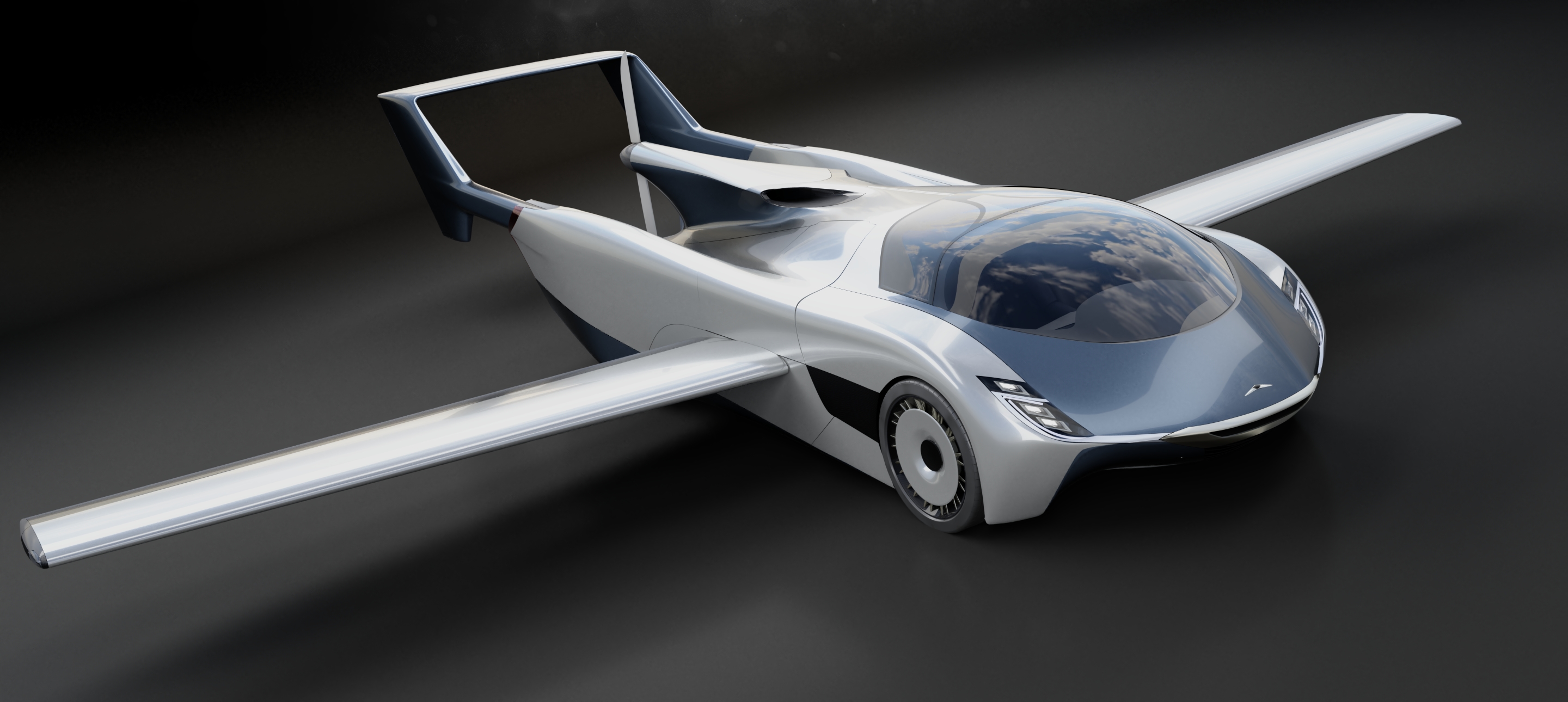
Flying Car
Unleaded automotive fuel · Flexible drive output locations · Emission compliance · High performance · Ease of maintenance
Helicopter
Hot and high performance · Low fuel burn · Increased payload · Vertical mount options · Low operating costs
Amphibian / Twin
Electronic engine control · Reduced pilot workload · Reverse feathering prop option · Increased payload · Reduced environmental impact
STOL Application
Superior power-to-weight ratio · Robust and reliable · Responsive power delivery · Multi-fuel capability · Reverse feathering prop options
Ag Fixed Wing & Helicopter
Multi-fuel · Reduced pilot workload · Reliable performance · Increased payload · Low operating cost
Hybrid Application
Electronic integration · Compact engine · Light weight · Smooth operation · Compatible with hybrid electric systems

Technical Q&A

Common questions from builders, pilots, and engineers. If you have additional queries, contact us.

Disrupting a
70-Year Duopoly

Imagine investing in Tesla when the automotive industry was dominated by century-old technology. Adept Propulsion Technologies represents the same generational disruption — a market that represents $14 billion plus…

$25M Staged Investment
Across Four Rounds

Series B
$9M
$59M Post-Money · $10.00/share
US manufacturing buildout (location TBD). Scale production capabilities to meet growing demand.
Planned
Series C
$8M
$75M Post-Money — Triggered at 100+ engines/year
FAA certification initiation for certified aircraft market access.
Future
Series D
$6M
$100M Post-Money
Certification completion and full market expansion including major OEM relationships.
Future

Exceptional Upside
for Series A Investors

Conservative · Strategic Acquisition
24×
Series A Return
$300M acquisition valuation
Base Case · Market Leadership
60×
Series A Return
$750M market cap
Optimistic · IPO Scenario
120×+
Series A Return
$1.5B+ public offering

Return projections are illustrative scenarios based on comparable market disruptions and are not guarantees of future performance. All investments involve risk. Prospective investors should review all offering documents carefully.

Massive & Underserved

$14B
Legacy Retrofit Market
200,000+ aircraft seeking modern powerplants
$150M
Annual New Aircraft Market
1,500–1,700 new deliveries per year
70yr
Market Stagnation
Zero meaningful innovation from incumbents
Global
Expansion Potential
Active licensing discussions in India and other territories

Why Adept Will Win

1
15+ Years of R&D
A deliberate and iterative engine development program creates technical barriers that cannot be replicated quickly. Patents protect key innovations from a direct transfer of intellectual property.
2
Regulatory Tailwinds
EPA pressure to eliminate leaded AvGas is creating urgency among operators. Multi-fuel capability positions Adept as the natural replacement engine.
3
Proven at Scale
Operational manufacturing facility in South Africa. US and European customers already running Adept engines. Not a concept — a scale-up.
4
Multiple Revenue Streams
Four distinct market channels — experimental, DoD, OEM, and retrofit — reduce dependence on any single segment and accelerate overall market penetration.
5
Global Licensing Strategy
Active international licensing discussions with potential international footprints and beyond create capital-efficient revenue streams that expand the market without proportional overhead growth.
Ready to Learn More?
Due diligence materials, financial projections, and management presentations available upon execution of NDA.
Contact: RichardW@adeptpropulsion.com

This page contains forward-looking statements and does not constitute an offer to sell or a solicitation of an offer to purchase securities. Any offering of securities will be made only by means of a private placement memorandum or other offering documents to qualified investors. All investments involve risk, including the possible loss of principal.

Engine Inquiry
& Order Form

Tell us about your project. Our engineering team will follow up within 48 hours with pricing, availability, and technical specifications tailored to your application.

Contact Information
Engine Selection
Project Details
Inquiry Received
Thank you. Our engineering team will respond within 48 hours at the email address provided.

Built by Believers

Adept's team has spent decades proving that aviation engines can be fundamentally better. Every person here chose this mission because they believe in what we're building.

Executive Team

LB
Lee Brinley
Founder & Chief Executive Officer

Lee founded Adept Propulsion Technologies in 2020 and acquired Adept Airmotive, a South African aviation engine company originally founded in 2003 by Richard Schulz, the company's original founding engineer. Through that acquisition, Lee brought more than 20 years of engine R&D, an operational manufacturing facility, and a proven product line under the Adept Propulsion umbrella — then established the US entity to drive the technology into the American market. His leadership has since focused on building the commercial, legal, and operational foundations needed to scale what Adept Airmotive pioneered into a globally competitive aviation engine business.

RW
Richard Wiedenbeck
Co-Founder & Corporate Secretary

Richard co-founded Adept and secured the company's foundational intellectual property position, establishing the legal and strategic framework that underpins the business today. He leads investor relations, corporate governance, strategic partnerships, and all capital formation activities — including the current Series A raise and active international licensing negotiations. Richard is the primary point of contact for investors and institutional partners, and is responsible for translating Adept's technical achievements into the commercial and legal structures needed to scale them.

AB
Angela Brinley
Chief Financial Officer

A long-standing and respected member of the Adept team, Angela brings deep financial expertise and institutional knowledge to the company's financial leadership. She currently provides fractional CFO support and services to Adept, overseeing financial planning, reporting, and controls as the company scales its US operations. Her continuity with the business gives her a unique perspective on Adept's growth trajectory and capital requirements, and her involvement provides investors with confidence in the rigor of the company's financial management.

The People Who Build the Engines

Adept's engineering team combines foundational R&D experience with hands-on manufacturing and integration expertise — the combination that turns advanced designs into flying aircraft.

RB
Raymond Bakker
Founding Engineer — Product Design, Manufacturing & Operations

One of Adept's original engineering contributors, Raymond has been part of the company's technical development since its earliest days. He carries responsibility for product design, manufacturing processes, and day-to-day operations — the disciplines that determine whether an engine design becomes a reliable, producible product. His deep familiarity with the engines' architecture, combined with decades of hands-on manufacturing experience, makes him central to Adept's ability to deliver on its performance claims at production scale.

NW
Neil Whelchel
Contributing Engineer — Manufacturing, Integration & Product Advancements

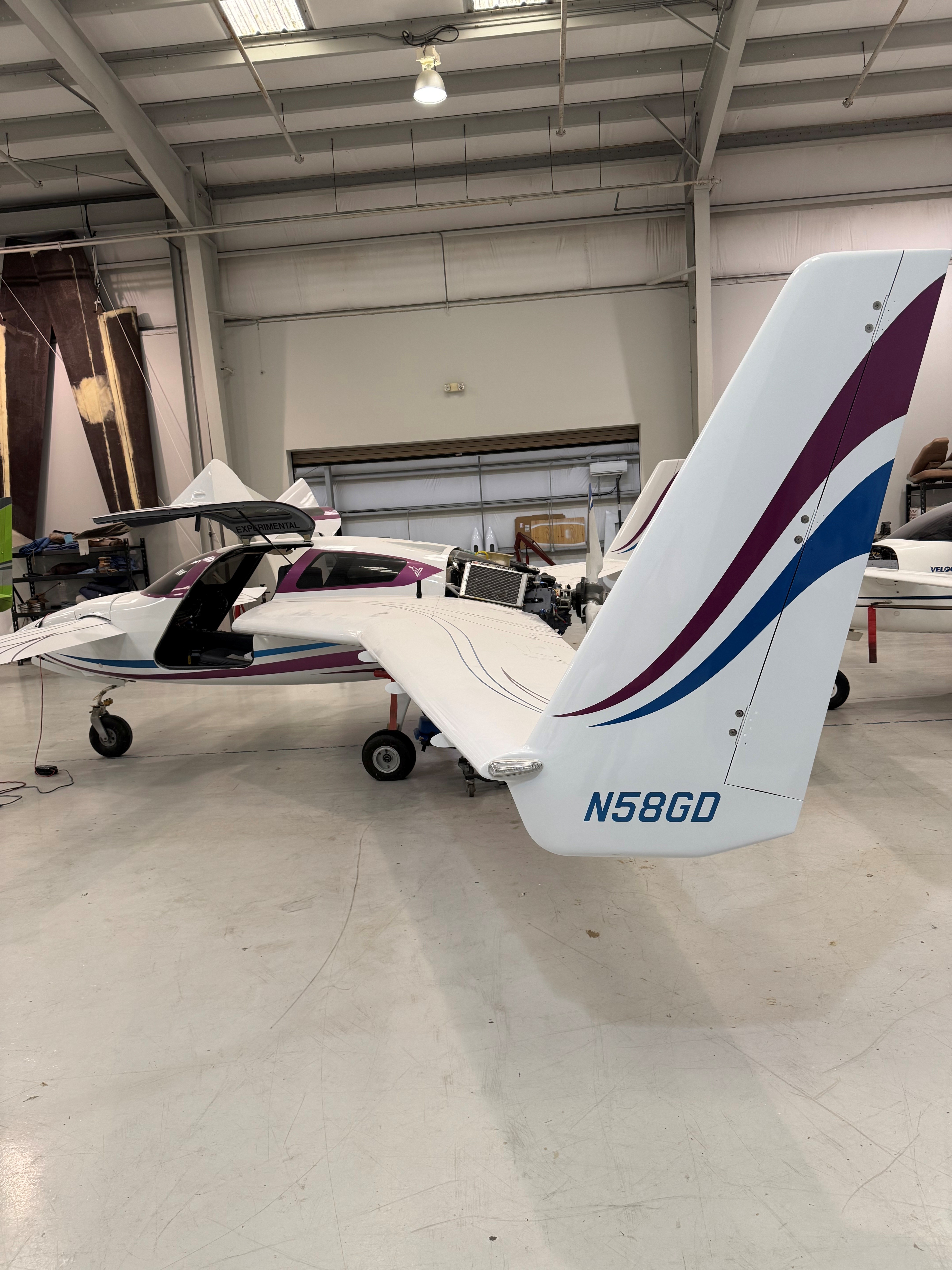
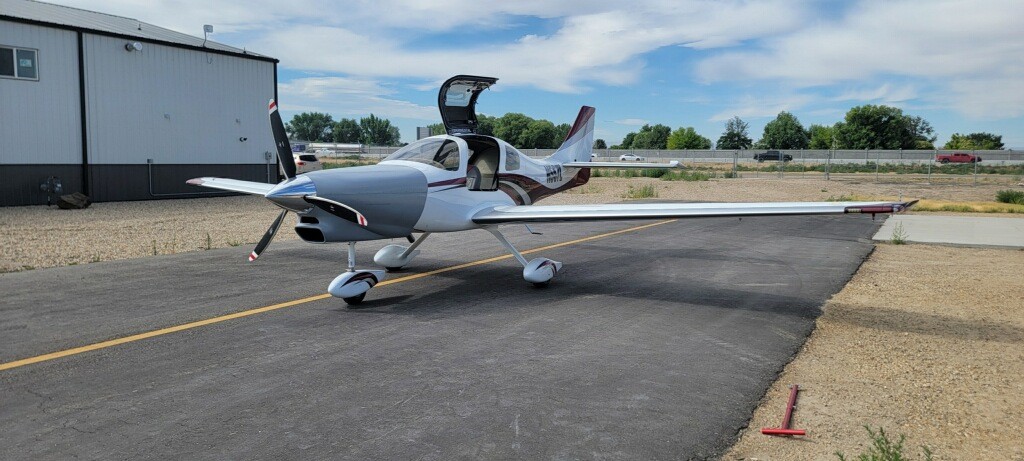
Neil contributes across the full spectrum of bringing Adept engines into real aircraft — from manufacturing execution through airframe integration to ongoing product advancement. His work is directly visible in the flying aircraft that validate Adept's technology today: the Lancair, Velocity, as well as other integrations that demonstrate the engines' real-world performance. Neil's focus on future product advancements ensures that Adept's engines continue to improve as field experience accumulates and customer feedback confirms development.

Building Something
Worth Joining

As Adept scales US manufacturing and expands into new markets, we're adding talented people who share our conviction that aviation deserves better. If that's you, we'd like to hear from you.

Twenty Years
Building the Future

Adept Propulsion Technologies was born from a simple conviction: aviation deserves better engines. Not marginally better — fundamentally better. The kind of improvement that only comes from starting with a clean sheet and the courage to discard 80 years of convention.

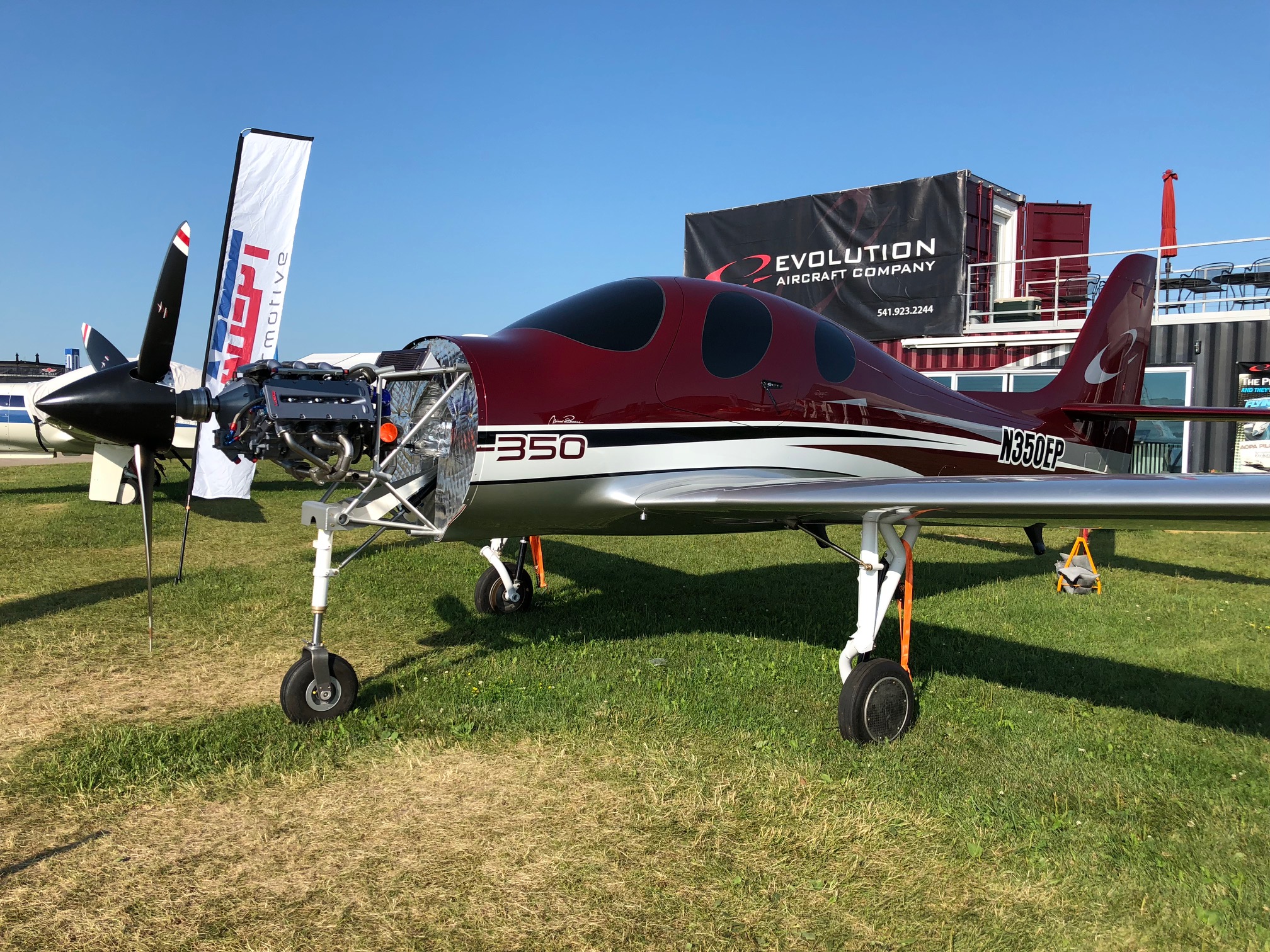
Lancair on ramp with Adept engine Evolution at EAA Oshkosh

The Adept Timeline

2003
Adept Airmotive founded. Richard Schulz establishes Adept Airmotive in South Africa, beginning more than two decades of liquid-cooled aviation engine research, development, and manufacturing.
2010s
South Africa manufacturing established. Production facility becomes operational, enabling real-world engine testing and initial sales to US and European customers.
2020
Adept Propulsion Technologies founded. Lee Brinley founds Adept Propulsion and acquires Adept Airmotive, bringing 20+ years of R&D, an operational manufacturing facility, and a proven product line under the new US-focused entity.
2024
US entity established. Adept Propulsion Technologies, Inc. incorporated in Texas. All intellectual property transferred to the US entity. American market launch underway.
2025
Series A fundraising open. Completing US aircraft integrations, trade show presence building, and Series A capital raise to fuel US market penetration.
2026+
US manufacturing launch. TBD facilities coming online. Series B capital to scale production. OEM partnership discussions advancing.

Richard Schulz
1950s – 2025

"The question Richard asked was simple and radical at the same time: what would a general aviation engine look like if no one had ever built one before?"

Richard Schulz founded Adept Airmotive in South Africa in 2003 and spent the better part of two decades proving that the general aviation industry's reliance on air-cooled, magneto-ignition engines was a choice, not a necessity. He brought with him 25 years of Formula racing engine design experience — a discipline where weight, thermal efficiency, and reliability are not aspirational goals but survival requirements. That background gave him both the technical toolkit and the intellectual permission to start over.

The liquid-cooled architecture, the multi-fuel capability, the extended service life — the fundamentals that distinguish every Adept engine today trace directly to Richard's original design philosophy. He didn't iterate on what Continental and Lycoming had built. He asked what an aviation engine should be, and then built it.

Richard passed away in 2025. His loss is felt deeply by everyone who worked alongside him and by the broader community of builders and pilots who understood what he was trying to accomplish. But the measure of a founder's work is not whether it survives them — it's whether it grows beyond them. By that measure, Richard's contribution is very much alive.

The engineering team he helped build has carried the technology further than the original designs envisioned. The Adept engines flying today — and those in development — reflect years of advancement, refinement, and hard-won field experience that go well beyond the foundation Richard laid. Adept Propulsion Technologies is not a company preserving a legacy. It is a company accelerating one.

We are grateful for what Richard started. We are committed to what it becomes.

Manufacturing Footprint

🇿🇦 Durban, South Africa
Primary Manufacturing Facility
Operational production facility handling current engine builds, quality control, and customer delivery. The facility has produced engines for US and European customers and serves as the blueprint for US manufacturing scale-up.
🇺🇸 Idaho, USA
US North Manufacturing
Site selection and early-stage planning underway. Idaho facility will serve as initial integration center for the northern and western US market with access to Elevate Idaho's workforce development resources and pro-manufacturing state environment.
🇺🇸 Texas, USA
US South Hub & HQ
Corporate headquarters (TBD) and southern US manufacturing base. Texas incorporation provides favorable business environment for corporate operations, investor relations, and proximity to major aviation markets.

Flying Should Not
Cost Us the Earth

One of the privileges of flying is that we get to see the planet from a different perspective — and Adept has a unique perspective on the impact that aviation should have on our environment: as little as possible.

Our investment in clean manufacturing technology, in building engines that run on readily available lead-free fuels including ethanol blends, and that meet current ASTM and FAA supply chain rules for Sustainable Aviation Fuels — engines that are quiet, with the lowest exhaust emissions and carbon footprint in both manufacture and operation — is our investment in the future of aviation.

We also believe that flying should be affordable and accessible to those who want to take to the skies. In every sense, flying should not cost us the earth.

🌱
Lead-Free Fuels
Ethanol blends, MoGas, and SAF compatible
🔇
Lowest Noise
72 dBa cockpit noise vs. 101 dBa for legacy
💨
Low Emissions
Lowest exhaust emissions in class
⚙️
Clean Manufacturing
State-of-the-art CNC and casting processes

Contact Adept Propulsion

General Inquiries & Engine Orders
Lee Brinley — CEO
Investor Relations & Partnerships
Richard Wiedenbeck — Corporate Secretary
Corporate Address
Adept Propulsion Technologies, Inc.
Texas, USA
adeptpropulsion.com
Media & Press
For media inquiries, technical interviews, or airshow appearances, contact RichardW@adeptpropulsion.com
International Licensing
Licensing inquiries for manufacturing rights outside North America — territory agreements currently under discussion. Contact Richard Wiedenbeck.
Send a Message
Message Sent
We'll be in touch within 48 hours.